
In the early medieval, or Rajput, period in India (750-1200CE), tribal associations such as the jati, which was originally a clan of specialist craftsmen, became, by the first century of the common era, exogamous guilds, or sreni. This was on top of the more ancient Vedic castes: brahmin priests, kshatrya warriors, vaishya merchants, craftsmen, and farmers, and shudra, the lowest caste, those regulated to ‘unclean’ employment. These older caste distinctions became largely ceremonial as the pressures of the urban job market necessitated increased mixing of people of many different backgrounds. The new guilds were open to all. Carpenters’ guilds included members of all castes including princely brahmins and humble “untouchables”. Guilds were sanctioned by the kings or rajahs, and undertook to secure temple and palace work, to protect the job markets and secret knowledge of the craft, to enforce rules of arranged marriages, inheritances, maintenance of a common burial site, and to provide mutual protection and help for members. Dues were paid by members of the guild and fines were imposed on those who violated the codes of conduct.
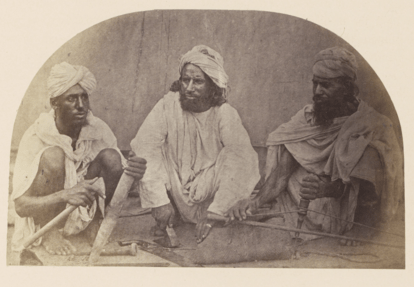
Individual companies were led by the masters known as sthapati. The general term for builder was vardhaki. A woodworker was a daru-vardhaki. The master was assisted by a master-in-training known as a sutragabin, responsible for helping the master builder, supervising all the work, and measuring and laying out the structure. A journeyman carpenter, the takshaka,oversaw the actual construction and was assisted by another worker, or sawyer. In manuals on carpentry (the Shilpin and the Vastu Shastras), much is made of the intellectual and moral qualities required of the master builder. The sthapati acted as a priest in religious rites related to preparation of the building and the site. He was also the chief architect and so should be not only religiously pious, but also well educated. He should be knowledgeable in all the related building crafts, and he should be compassionate, kind, and moral. While some sthapati claimed noble brahmin descent, most were of mixed caste.
 Mysteries of the Carpenter