In the building boom of the Tokugawa shogunate (1603 to 1867), feudal service on large projects led to the organization of trade guilds servicing certain noble families. Hereditary master carpenters were honored with large salaries and ministerial status. The guilds, known as kumi, limited the numbers of journeymen carpenters in each area, regulated manpower, and oversaw the placement and treatment of apprentices. The guild of carpenters was separate from the rest of the associated building trades, who had their own organizations known as nakama. The master carpenter was not only a building foreman, but he also directed elaborate parades and ceremonies.
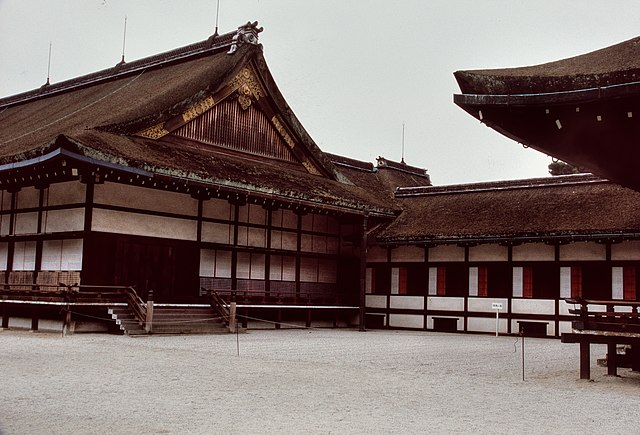
These head carpenters were known as daiku gashira or kumi gashira and served their feudal lords as both architects and construction managers. They took on government commissions for important projects such as palaces, castles, and temples, that often involved numerous workers. The Imperial Palace at Kyoto, for example, employed as many as 1250 carpenters. The kumi gashira embodied direct government control over the tradesmen, who were expected to adhere to prohibitions and obligations in exchange for payment and protection against competition from workmen outside the group. The master carpenter oversaw the synchronization of measurements, that originally differed over time and from place to place. He also presided over religious rites and the application of geomantic magical principles known as fusui (from the Chinese feng shui). The Japanese guilds were not like those in medieval Europe that arose as corporate societies to protect their members from government oppression. The kumi were extensions of the government; a method of controlling economic organization, hierarchy, and administrative efficiency.
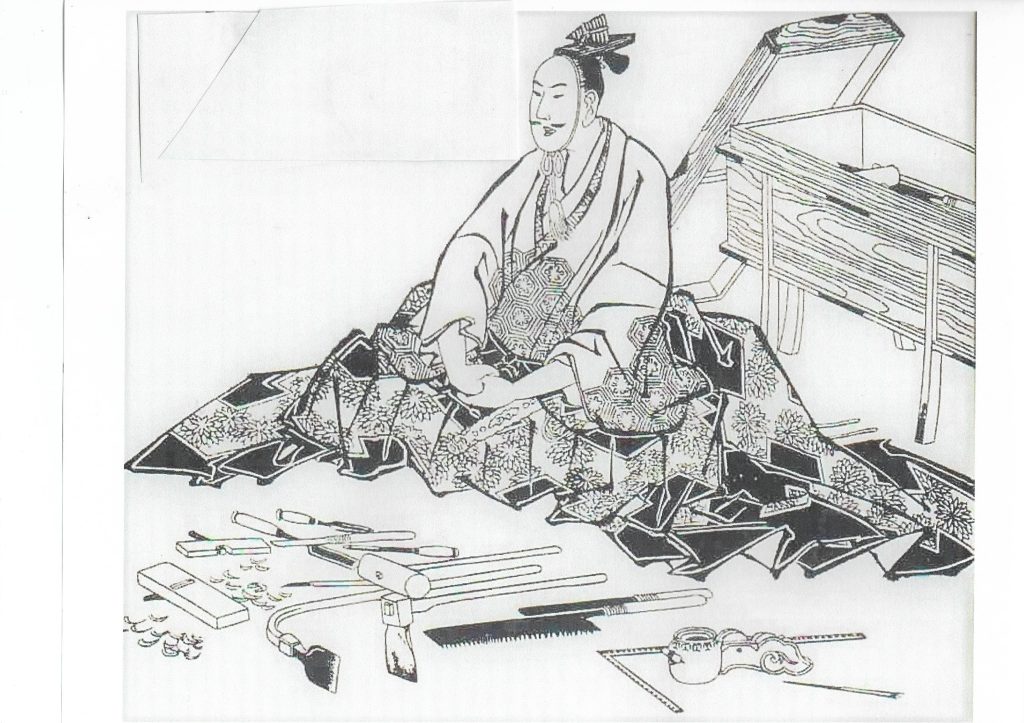
This system also allowed for the rapid and efficient mobilization of bodies of construction workers as fighting men in the periods of civil war leading up to the Tokugawa shogunate of the 17th century. Gashira means “head” but can also mean “captain”, and war leaders were known as samurai gashira. It seems that some important carpenter families were accepted into the warrior class. Furthermore, after the general peace brought on by the shogunate, many unemployed samurai engaged in construction activities. This is evident from late medieval illustrations that often show carpenters wearing the traditional samurai swords while engaged in their craft, which would have been awkward and so should be regarded as fanciful, yet symbolic. They are also often shown wearing voluminous and elegant clothing when, in fact, carpenters would often wear next to nothing, especially in summer. Traditional strict separation of the social classes began to decay as feudal ties weakened in the early modern period.
 Mysteries of the Carpenter