
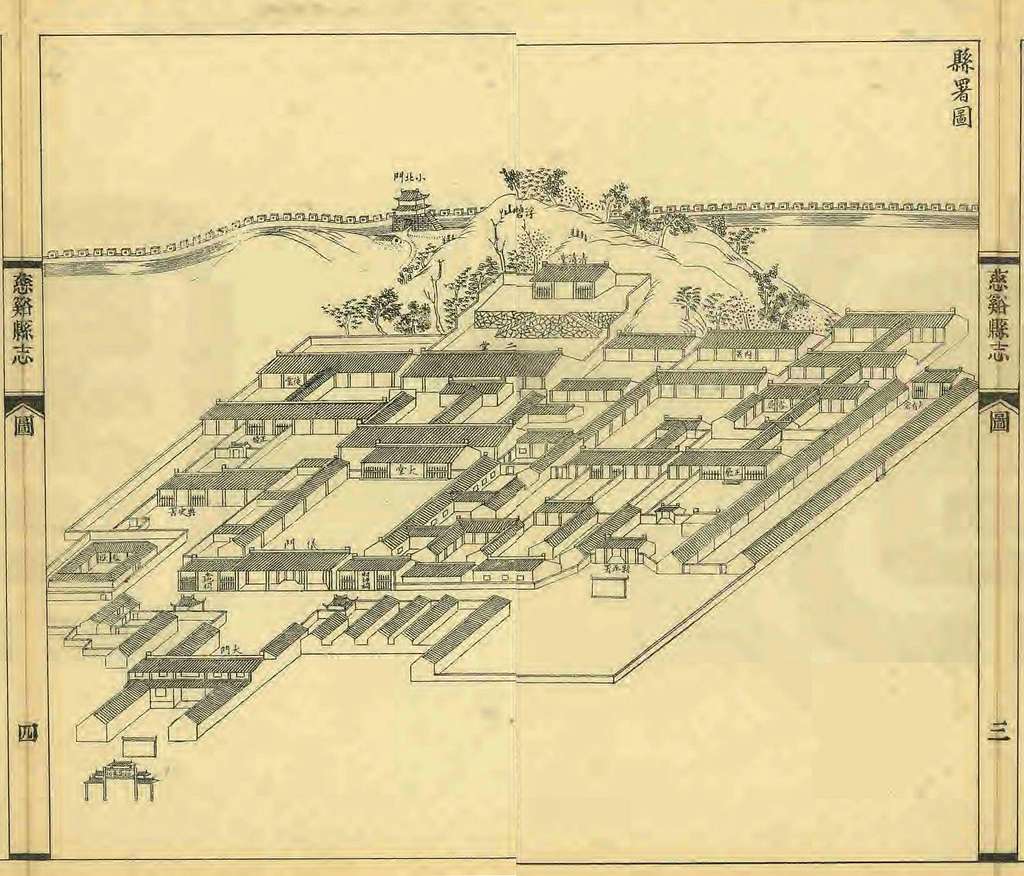
The archetypical traditional Chinese home is an earth-walled compound of wooden buildings on a rammed earth foundation. A series of one-storey buildings connect around a central courtyard which, because of China’s pleasant climate, is an extension of the living space. This symmetrical design is repeated and expanded in myriad shapes from the peasant farm to The Forbidden City. It is a microcosm of the ancient walled village and the greater walled kingdom: safe and familiar. The traditions of rammed earth foundation, wooden frame and courtyard design were in place as early as the Shang dynasty (1766-1027 BCE). It is the oldest building tradition in the world yet one that continued to evolve through slow innovation and persistent complexity. Even in the early Neolithic period this basic design was there. It was simpler, cruder, but embryonic. The development of urban centres and the progress of metallurgy saw that by the advent of the Han dynasty (206BCE -220AD), many of the tools, techniques and designs of traditional Chinese carpentry were well developed and would remain little changed, except in scale, for the next two thousand years.
In rural areas of China to this day, load-bearing walls are constructed of rammed earth. This method involves tamping the earth down into a long wooden formwork using heavy clubs. The formwork defines the thickness of the exterior walls and moves upward with each successive course of rammed material. Gable end walls of this construction would sometimes carry lengthwise roof purlins, but often a gable truss was made of wood. Roof systems were of wood, with light rafters bearing on the exterior rammed walls and on the horizontal roof purlins and ridge beam.
 Mysteries of the Carpenter