Out of Egypt have I called my Son
-The Book of Matthew 2:15
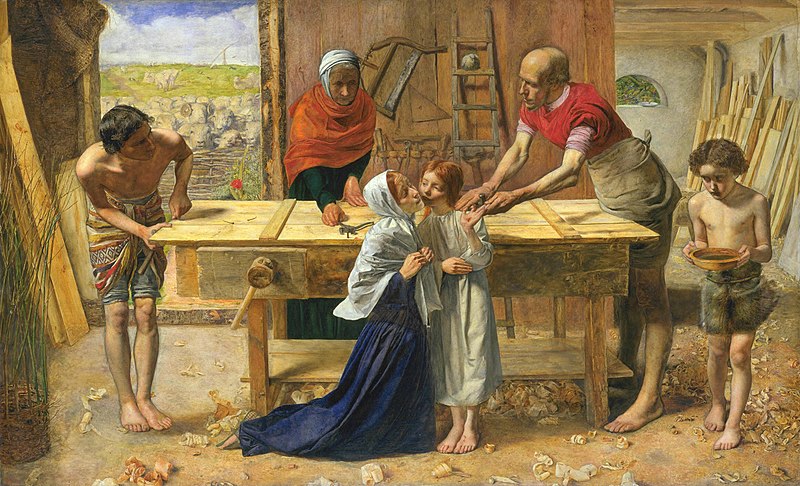
The mobility of craftsmen in the ancient Near East was spurred on by war, diplomacy, and commerce. This aided in the transfer of technologies throughout the region and set the stage for the imperial expansions of the Classical Age. In the history of technology, this diffusion of ideas is rarely recorded except for those projects of a grand scale, such as Solomon’s Temple. Even though innovation in technology affected large numbers of the population, it was frequently thought of as unglamorous and beneath the proper attention of the scribes, who wrote for and about the elite classes.
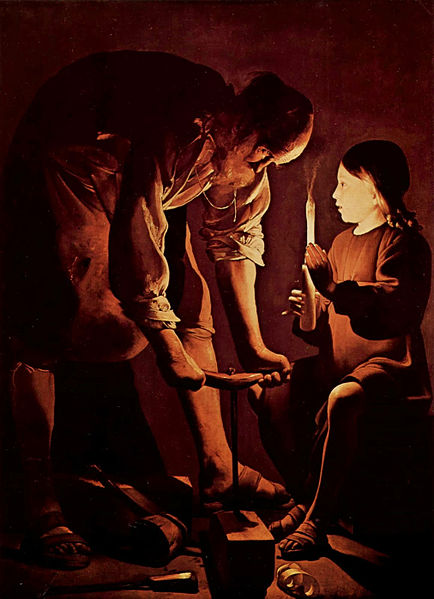
This gives us a clue as to the significance of the lowly occupation of Jesus of Nazareth and his temporal father, Joseph. The earliest Greek translations of the Bible refer to them as tecktons, or builders. Setting aside the tedious debate as to whether they were carpenters or stone masons, their story is that of the humble man glorified by self-sacrifice in the name of God. The lamb becomes the lion. The carpenter is just such an ordinary person but, by ‘common’, we should not read ‘most lowly’. The ancient carpenter is the proto- middle-class man; the everyman, as much a sinner as a saint. The interesting thing about Jesus is that he was formerly a craftsman, a common man, who left that occupation to pursue a radically different career in preaching the gospel. For our study, it is a question of whether the ideas proposed by Jesus were a result of his or Joseph’s itinerant travels in search of work. As a result of his professional and social interaction with Egyptians, Greeks, Romans, Persians, Hittites, Phoenicians, or even Indians, Jesus offers a more universal spiritual and moral guide than that espoused by any one ethnic group of people.

The ancient Mediterranean carpenter is not the average person (that would be the agricultural worker), but a new historical type: well-travelled, city-dwelling, skilled, and educated. Ideas about technology, and about life itself, are carried on and abroad by such anonymous workers, moving slowly and quietly towards the creation of modern civilization.
 Mysteries of the Carpenter