In the year 1700, Russia joined with Denmark, Poland, and Saxony against the Swedish Empire in The Great Northern War (1700-1721). Construction was begun on a large modern navy and, in 1703, Tsar Peter began the construction of St. Petersburg as a gateway to the Baltic and the west. Russia and her allies eventually won the war and Russia was ceded the principalities of Latvia, Estonia, and large parts of Finland. Peter the Great was also victorious in his quest to build a modern secular state. According to James Billington, this was the triumph of foreign “skill and cleverness”, Khitrost, over conservative and religious tradition, Blagochestie.

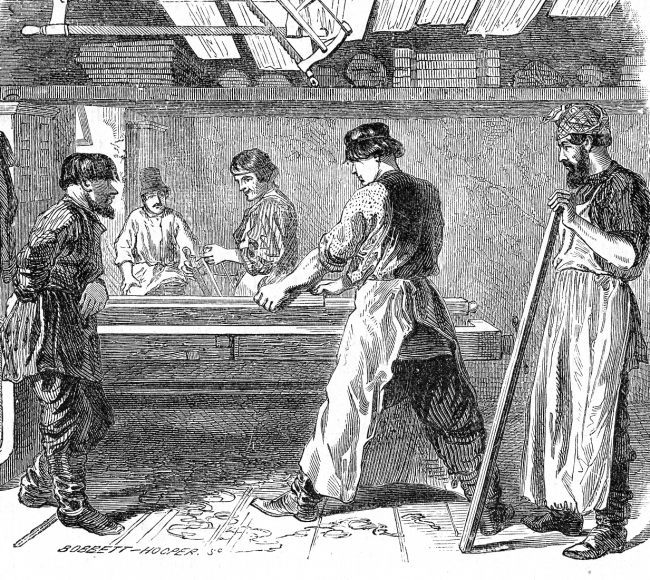
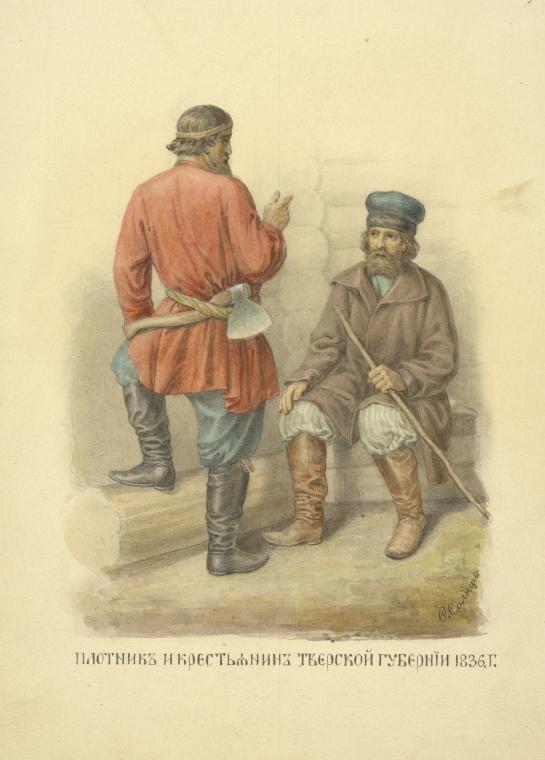
In the late seventeenth century, the visiting German diplomat Adam Olearius was astounded to find that most of the houses in Moscow were still being built of wood, despite the frequent danger of fire. An outermost section of the city was known as Skorodom, or “quick-house” area, where was “located the wood market and the house market, where one may purchase a house that can be built in another part of the city in just two days”. Around the same time, a Dutch explorer name Jan Struys also reported on prefabricated houses and the efficiency of the building trade in Moscow: “the best craftsmen are the carpenters, who make everything in this country, and are so adroit that they require only twenty-four hours to build a home”.
 Mysteries of the Carpenter